Sub-Total: $0.00

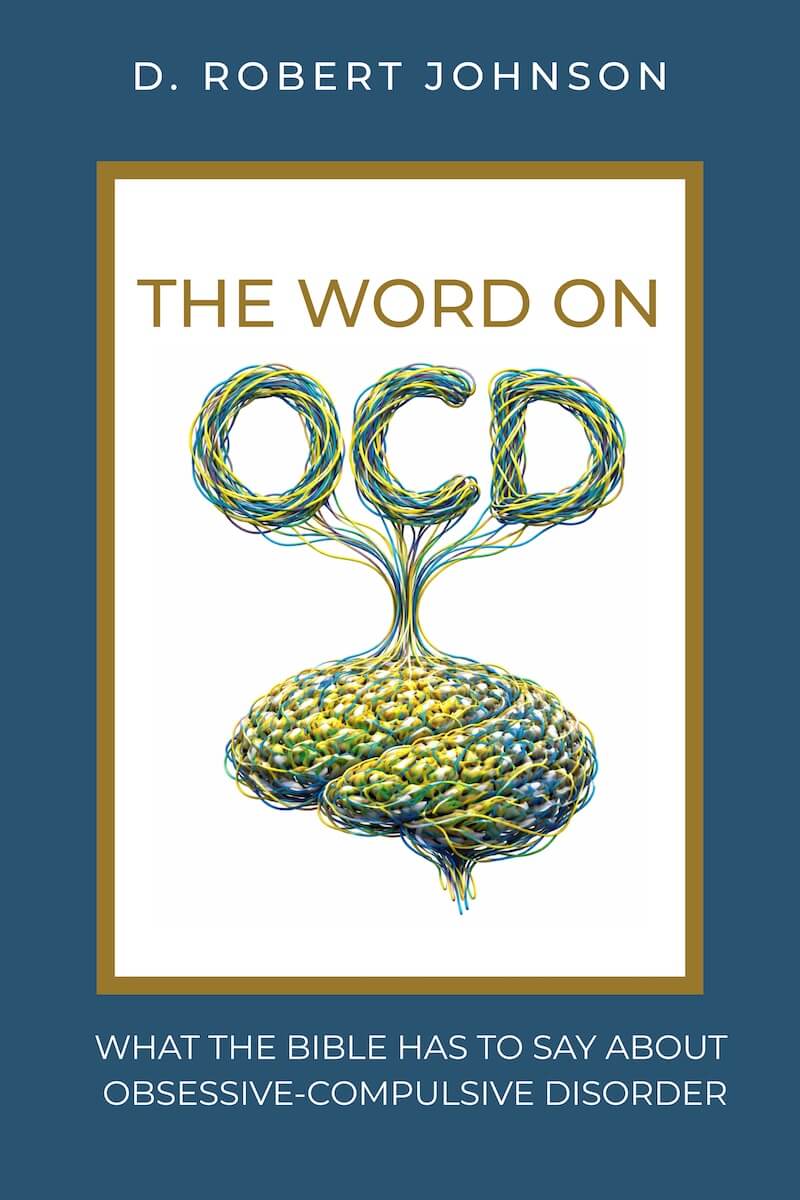
The Word on OCD: What the Bible Has to Say About Obsessive-Compulsive Disorder
Does the Bible really speak to obsessive-compulsive disorder? The Word on OCD helps Christians see how familiar Scriptures address obsessive thoughts, control, and anxiety in powerful, practical ways. Drawing from personal experience and deep biblical insight, D. Robert Johnson shows how faith and therapy work together—not in conflict—to bring clarity, hope, and renewed confidence in God’s Word throughout the journey of recovery.
$17.99
Product Description
Christians living with obsessive-compulsive disorder often wonder whether Scripture truly speaks to their experience. While therapy and medication offer essential help, many believers sense their faith should play a deeper role in healing. The Word on OCD bridges that gap by revealing how biblical truth directly addresses the patterns of thought, control, and anxiety that characterize OCD.
Drawing from his own recovery journey, D. Robert Johnson explores familiar Bible passages through an OCD-informed lens, helping readers see their relevance in fresh, practical ways. Respectful of clinical treatment and rooted in Scripture, this book offers compassionate guidance for Christians with OCD, their loved ones, and pastors or counselors seeking a faith-integrated perspective on mental health.
About the Author





Cyndi Johnson –
I’m excited to finish reading this book giving biblical insight to Christian’s who suffer from OCD. Rob doesn’t write from the perspective of an outsider looking in—he writes from personal experience. Throughout the book, he shares how leaning on God for guidance and finding strength in Scripture helped him navigate his struggle with OCD, a challenge that more people face today than many of us realize. It’s an encouraging and hope-filled read for anyone looking for biblical wisdom, understanding, and support.
Becca Anderson –
So many people today struggle with OCD or associated conditions, and long for someone who’s been in the trenches to show them how to handle it. Rob Johnson is that person. From endless personal struggle, hospitalization, counseling, and medication, to personal Bible study and deep dives into what the Bible says about OCD, he’s been there, done that, worn out the t-shirt. It’s startling to see how faith can turn a gentle, healing light on this whole topic.
The most important part of this book, however, isn’t how much Rob has studied or what he’s been through. It’s the fact that you will feel he’s sitting beside you with his arm around you and assuring you that you’re not crazy, you’re not alone, and you are not without hope. That alone is worth the price of a read through the book. It’s a gem that you’ll want to go back to over and over once you recognize its value.
Get it, absorb it, and begin your own journey to a better mental place. You’re not alone, and Rob is cheering you on.
Mary Lou Edwards –
Rob Johnson speaks from experience. His writing is engaging, while being informative and practical. He combines both a biblical and therapeutic perspective to the subject of OCD. A must read for anyone dealing with OCD, either personally or relationally.
Grace –
At only 140 pages, this was a quick read, yet a lingering one.
While I myself do not have OCD, I know family, friends, colleagues, and other individuals who have received this diagnosis or other mental health diagnoses. I was hopeful that this book would give me insight into their struggles and make me a more empathetic individual, and also perhaps equip me with tools I could share. The book was written in a straightforward yet enjoyable prose, striking an excellent balance between science and spirit.
As a person who actively works in the medical field, I am deeply appreciative of the immediate emphasis Johnson places on the idea that “mental illness, including OCD, doesn’t equate to sin” (page 44). No mental illness is sinful. However, I was also struck early on with the idea that although the acronym “OCD” does not appear in the Bible, OCD at its core is not an obscure modern problem- its anxieties, compulsions, potentially narcisstic components, etc., are all facets of human nature that the Bible DOES directly address. While the author delineates OCD as a chemical, biological predisposition to certain obsessions and compulsions, and the importance of therapies (specifically finding the right mental health team and medication regimen- which takes time and frequently multiple attempts!), said behaviors and compulsions can also be addressed in another way by looking to a higher power. I was inspired by the notion that the Bible can enhance one’s thinking about one’s diagnosis. Just like in clinically-proven OCD treatments such as CBT or DBT, the Bible itself encourages one to consider one’s behaviors and respond practically. It is an additional weapon- an “otherworldly” one at that- to wield against the crises of mind and self. The additional bonus from utilizing a biblical tool set is there is still more to be discovered and gained, not just in the healing from mental affliction, but in the other things one finds along the way- supernatural joy, peace, patience, and strength, to name a few.
This book is full of both thoughtful conversation and practical advice, and I found many things that will be helpful to me and my own daily anxieties and battles with perfectionism and control. I initially anticipated to look outward at how this book’s content relates to others, yet I found myself continually peering inward at how various spiritual tenents could improve my own self.
If you read this whole review- wow! Sorry it was rather long-winded. Hopefully it gives you a sense of the reflection this book triggered in me. Highly recommend